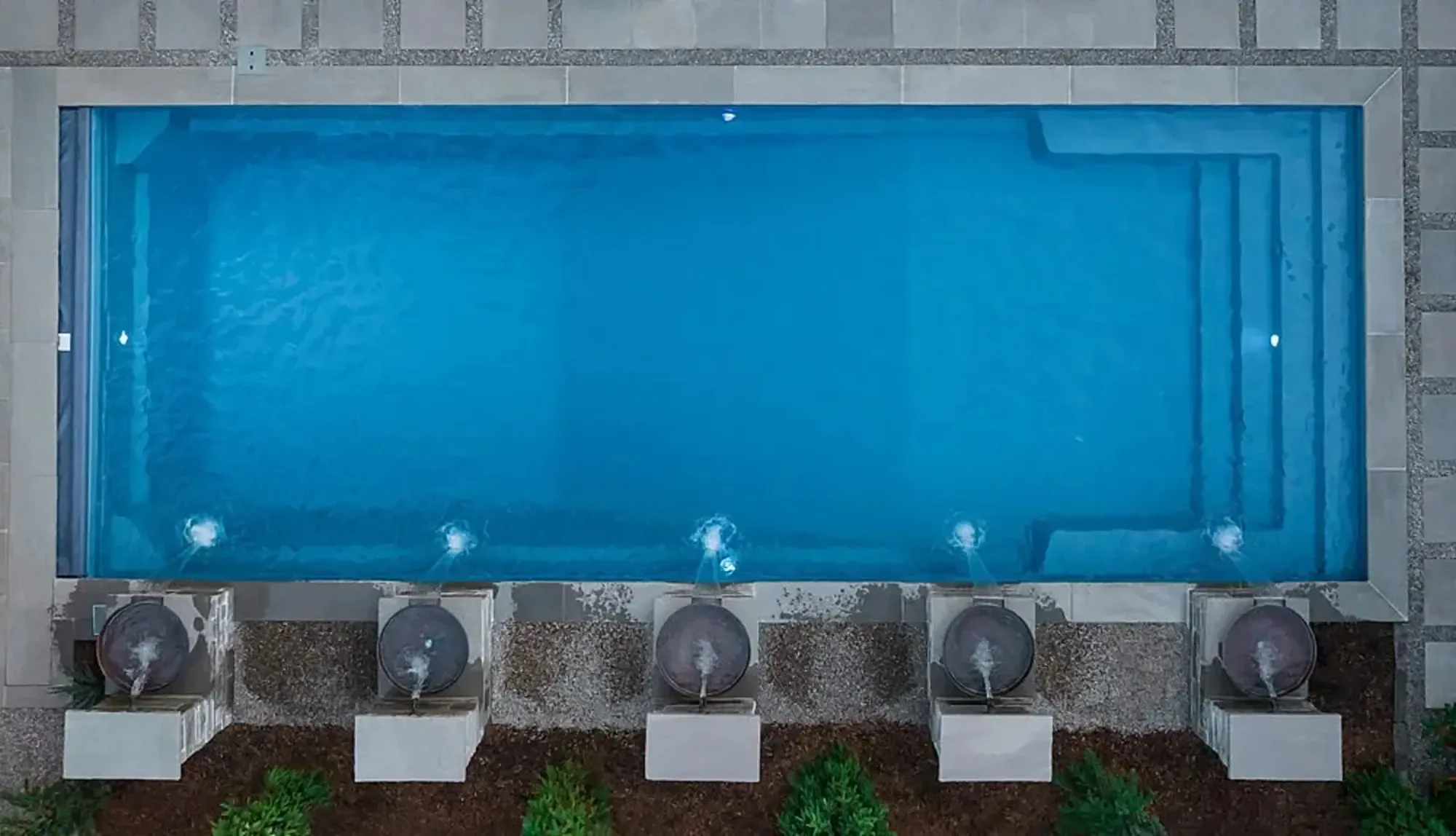
Choosing the right swimming pool depth is one of the most important decisions before installation. The depth of a swimming pool affects everything from safety and comfort to how your family uses it, whether for lounging, swimming laps, or diving. Understanding the average depth of a swimming pool helps ensure your investment fits your space and lifestyle.
What Is the Standard Pool Depth?
There is no single standard depth for every swimming pool. Residential pool depth usually depends on how the pool will be used, who will use it, and whether it includes features such as a shallow lounging area or a deeper swimming section.
For many residential pools, a common layout includes:Shallow end: Around 3 to 4 feet deep, suitable for standing, relaxing, playing and supervised family use.
Main swimming area: Around 4 to 5 feet deep, providing enough depth for comfortable swimming and recreational activities.
Deep end: Around 5 to 6 feet or deeper, depending on the pool design and intended use.
The right swimming pool depth can vary based on the pool's size, shape and design. If you're planning a fiberglass pool, consider how you expect to use the pool before choosing a depth. A family-focused pool may benefit from a gradual transition from a shallow to a deeper area, while a pool designed for specific activities may require a different depth configuration.
What Is the Average Depth of a Swimming Pool?
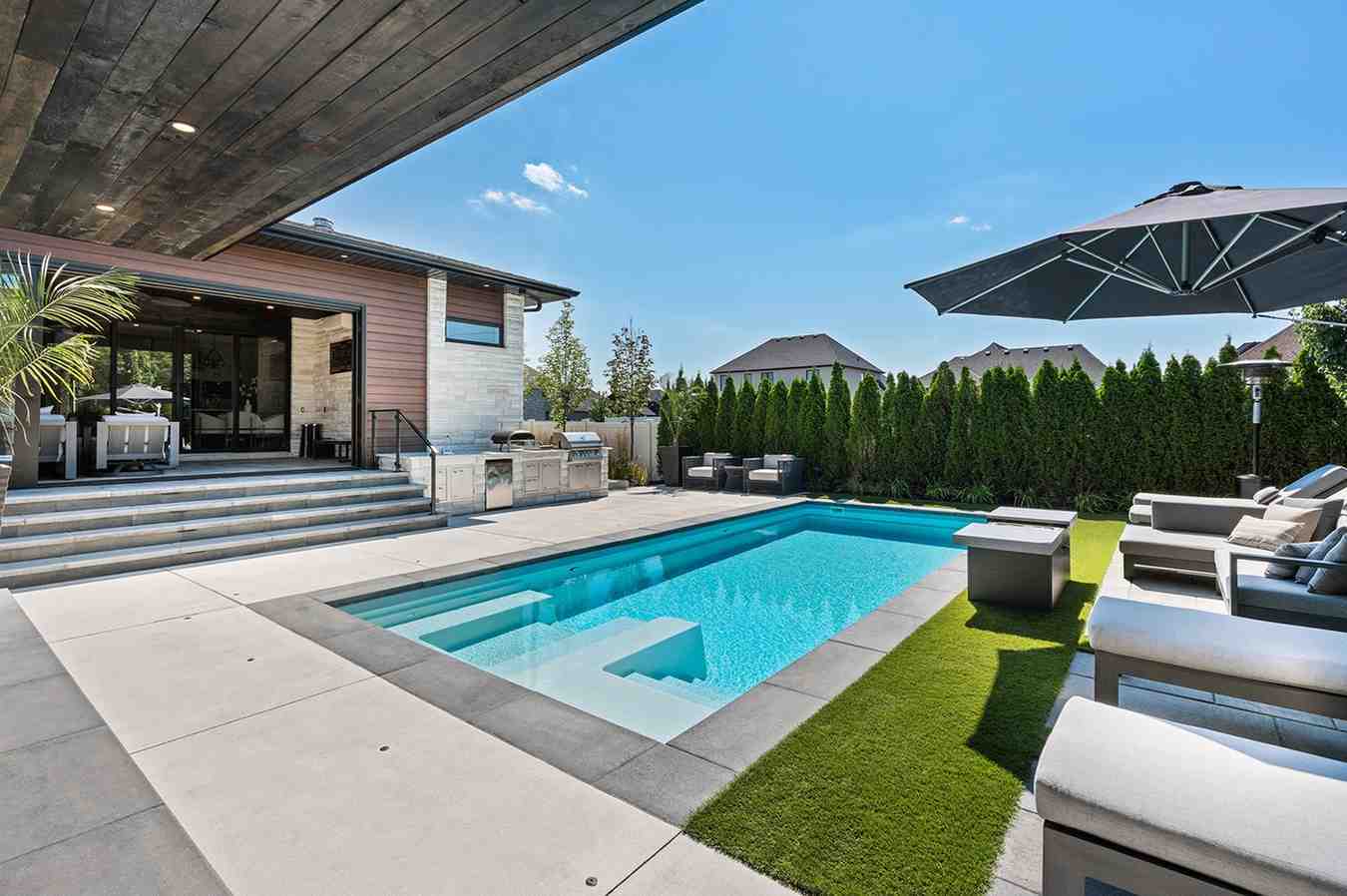
For most residential pools, the average depth of a swimming pool is between 4 and 6 feet. This range offers enough space for light swimming and water games while keeping it safe for children and adults.
A common layout is:
Shallow end: around 3 to 4 feet, ideal for relaxing, standing, and kids’ play.
Deep end: around 5 to 6 feet, suitable for adults, swimming, and pool games.
This balanced design allows everyone to enjoy the pool comfortably without it being too shallow or too deep.
How Deep Is the Shallow End of a Pool?
The shallow end of a residential swimming pool is commonly around 3 to 4 feet deep, although the exact depth can vary depending on the pool's design and intended use. A shallow area provides space for standing, relaxing and playing in the water, while a gradual slope can transition into a deeper swimming area.
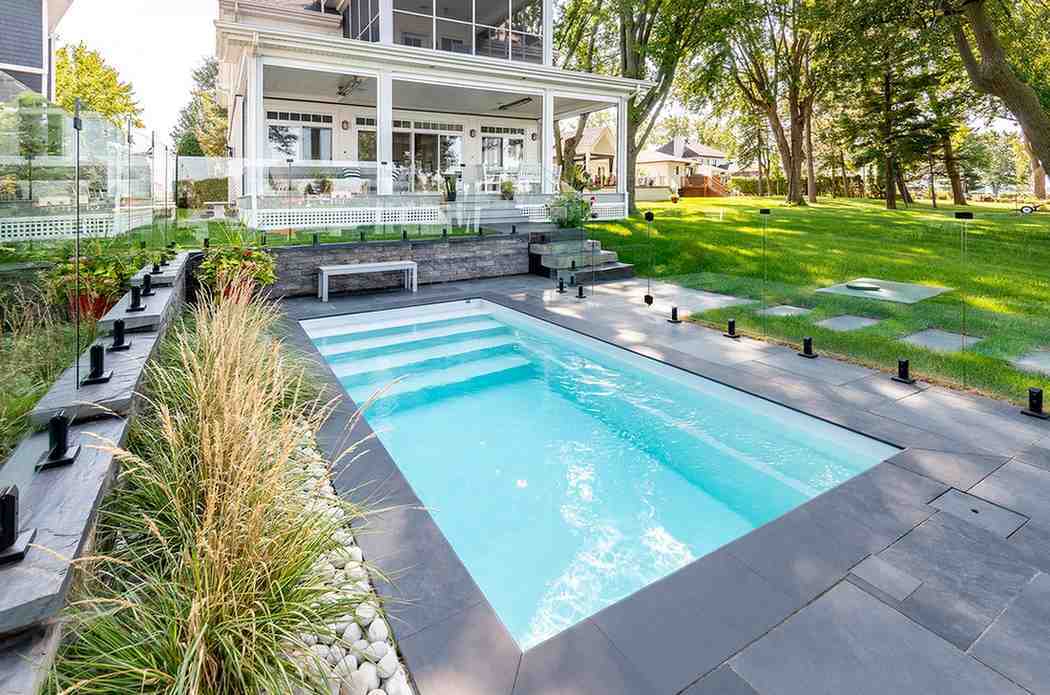
A shallow end is different from a tanning ledge, which is a much shallower platform designed for sitting, lounging or partially relaxing in the water. The depth and design of a tanning ledge depend on the pool model.
For families, a shallow area can make the pool more versatile by providing a comfortable space for supervised children’s play and standing, while adults can use the deeper section for swimming and other activities. The transition from the shallow end to the deeper part of the pool should be planned as part of the overall pool design.
When choosing a fiberglass pool, consider how the shallow end, deeper swimming area and any features such as a tanning ledge will fit the way you plan to use your pool.
How Deep Is the Deep End of a Pool?
The deep end of a residential swimming pool can vary depending on the pool's size, design and intended use. Many residential pools have a deep end around 5 to 6 feet, while some designs may be deeper. A pool does not necessarily need a traditional deep end if it is primarily designed for recreational swimming, lounging or family use.
The depth of the deep end can also depend on how the pool will be used:General swimming: A moderately deeper section can provide comfortable space for swimming and recreation.
Pool games: The appropriate depth depends on the type of activity and who will be using the pool.
Family pools: A gradual transition from the shallow end to a deeper swimming area can provide different depths for different activities.
Diving: Diving requires a specifically designed pool area with sufficient depth, dimensions and clearance. The required depth depends on the diving equipment, pool design and applicable local requirements.
When choosing a fiberglass pool, consider the deep-end depth together with the pool's overall length, width and depth profile. This helps ensure the pool matches how you plan to swim, relax and use the space.
How to Decide the Right Pool Depth for Your Backyard?
The best pool depth depends on how you plan to use it. Here’s a quick guide to help you decide:
- Family use: A gradual slope from 3.5 to 5.5 feet works best for mixed-age families.
- Exercise and swimming laps: A uniform depth of 4 to 5 feet allows consistent movement and makes it easier to touch the bottom if needed.
- Games like volleyball or basketball: Keep the pool around 4 feet deep in the center for easy standing.
- Relaxation and tanning ledges: Add a shallow section of 1 to 2 feet depth for lounging and soaking up the sun.
When working with Azoria’singround fiberglass pools, you can explore models with varied depths to match your lifestyle, from family-friendly pools to deep-end models designed for exercise.
What Is Considered a Deep-End Pool?
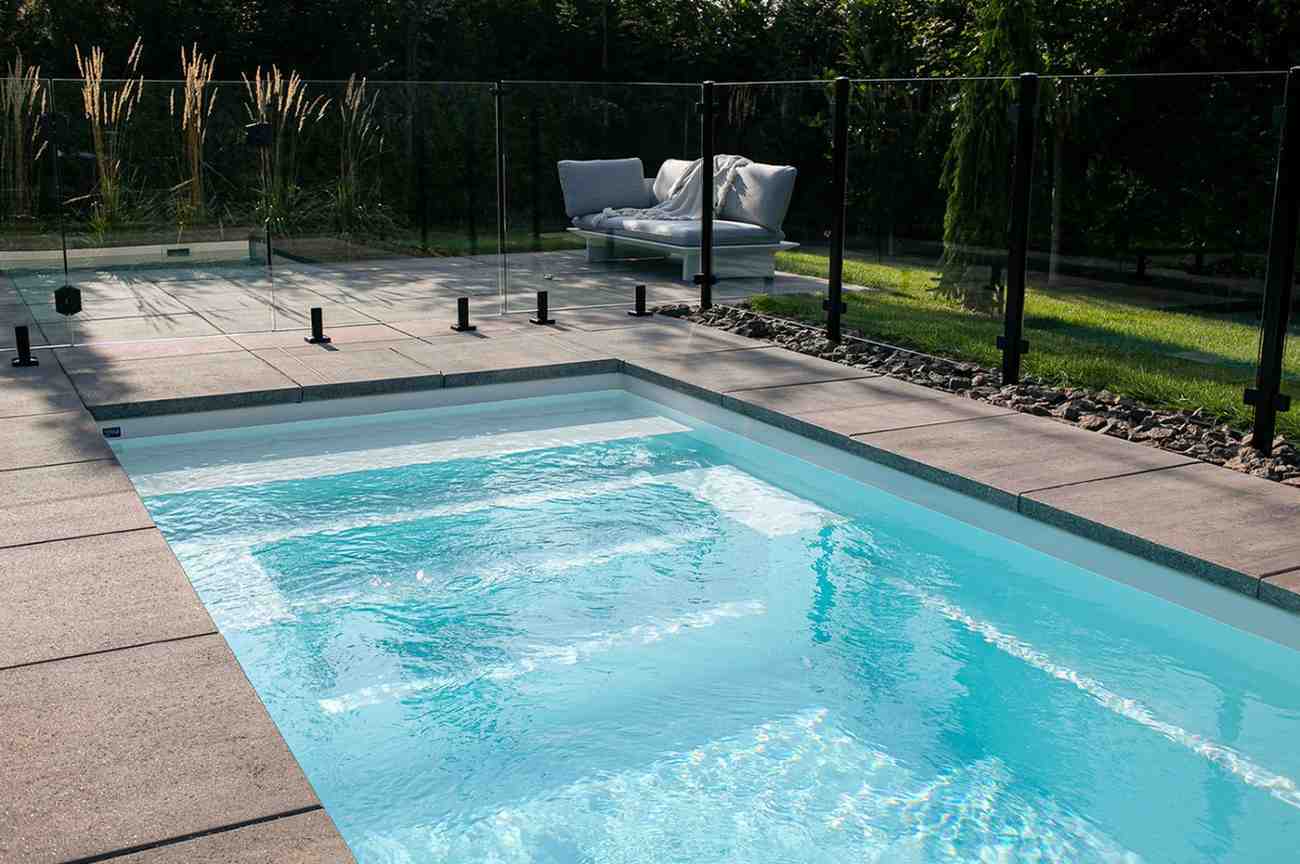
A deep-end of a pool is typically 6 to 8 feet deep, depending on the model and purpose. Deeper pools provide more room for underwater swimming and can create a resort-style experience in your backyard.
However, deeper sections also require higher water volume, longer filtration time, and added safety considerations. For most homeowners, the normal pool depth that includes a deep end of around 6 feet is ideal for versatility.
Depth of a Pool for Diving
If you’re planning to add a diving board, safety standards become important.
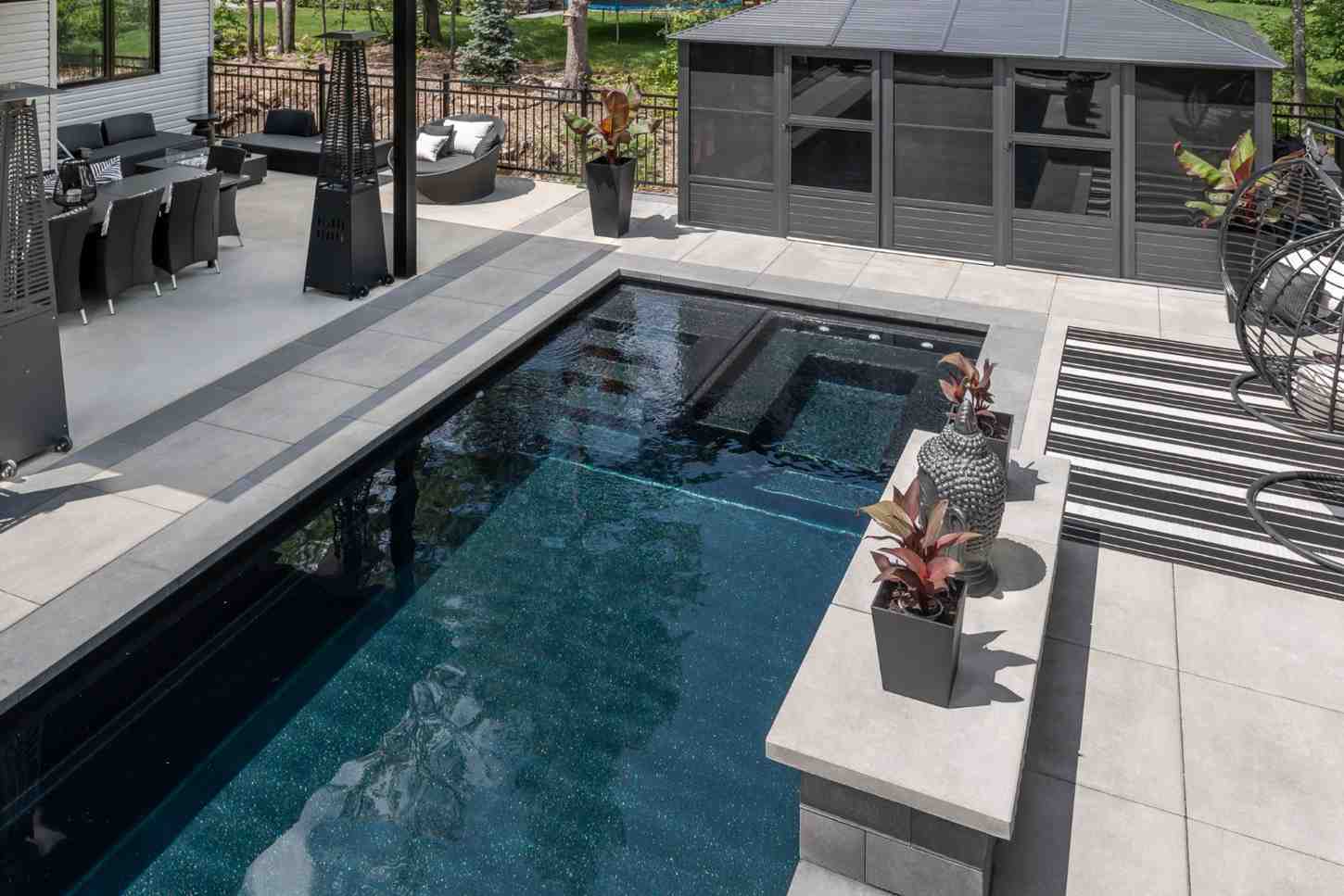
The depth of a diving pool should be at least 8 feet, and ideally closer to 9 or 10 feet depending on the board height. Shallow diving can be dangerous, so ensure your design meets local codes.
Most fiberglass pool manufacturers, including Azoria, which is the largest fiberglass pool manufacturer in Canada, offer large models with properly designed deep ends for diving while maintaining balance in water circulation and structure.
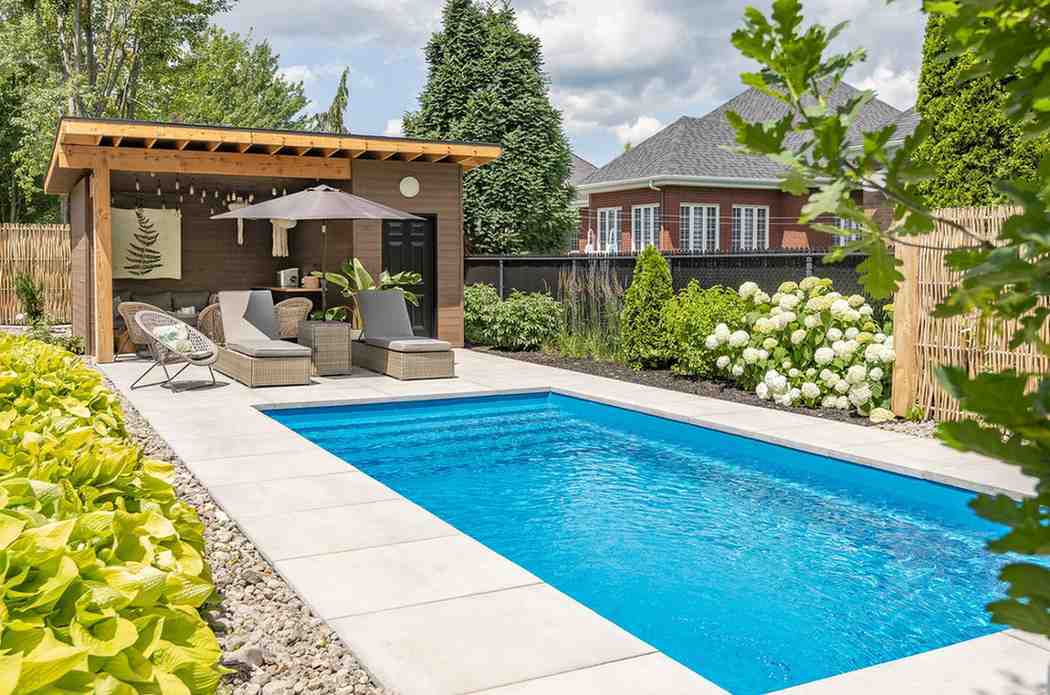
Try the Tofino model with its 8’ deep end.
Pool Depth Options by Shape and Style
Different pool shapes offer unique depth possibilities:
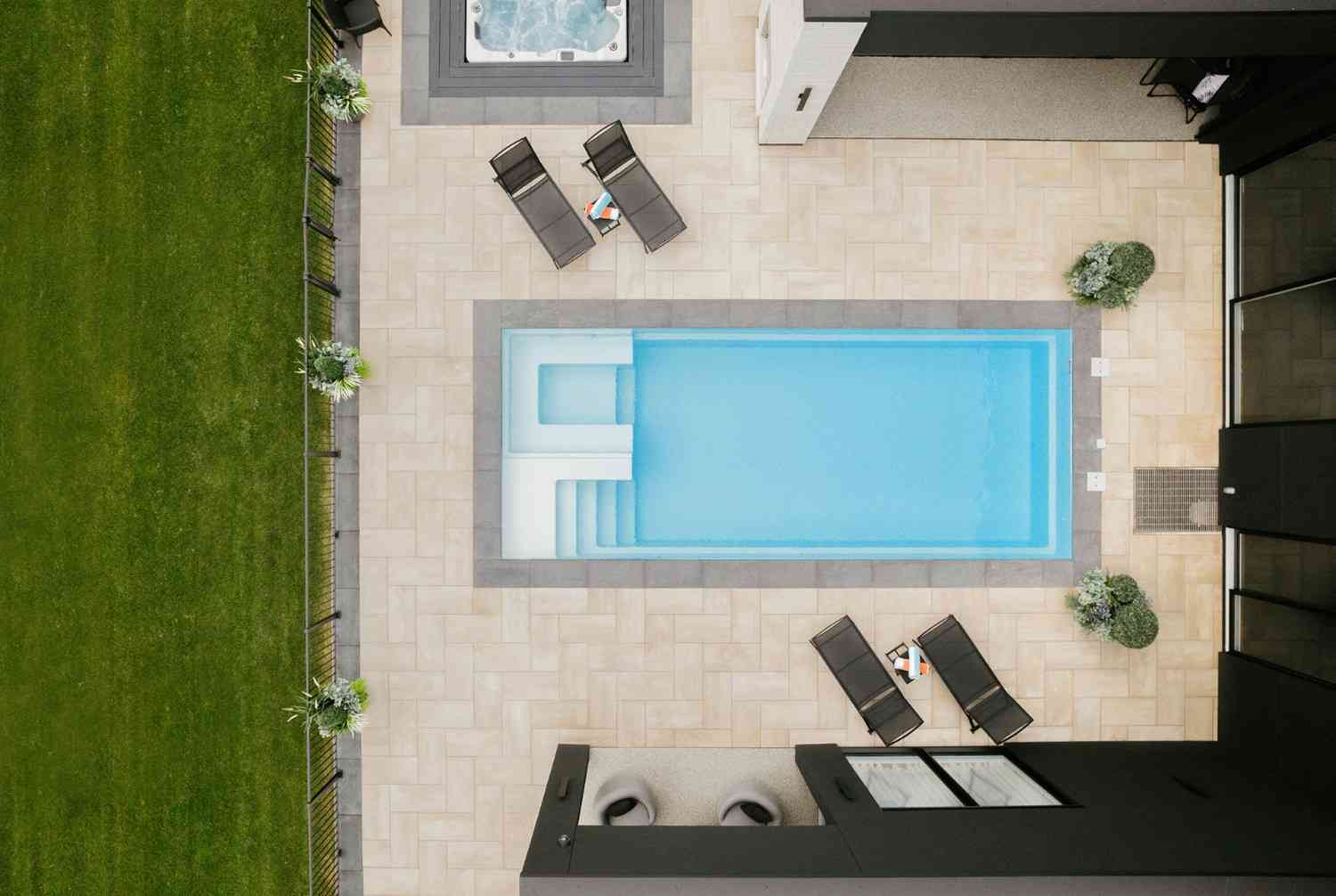
- Rectangular pools: Offer both classic deep-end designs and modern flat surface models.
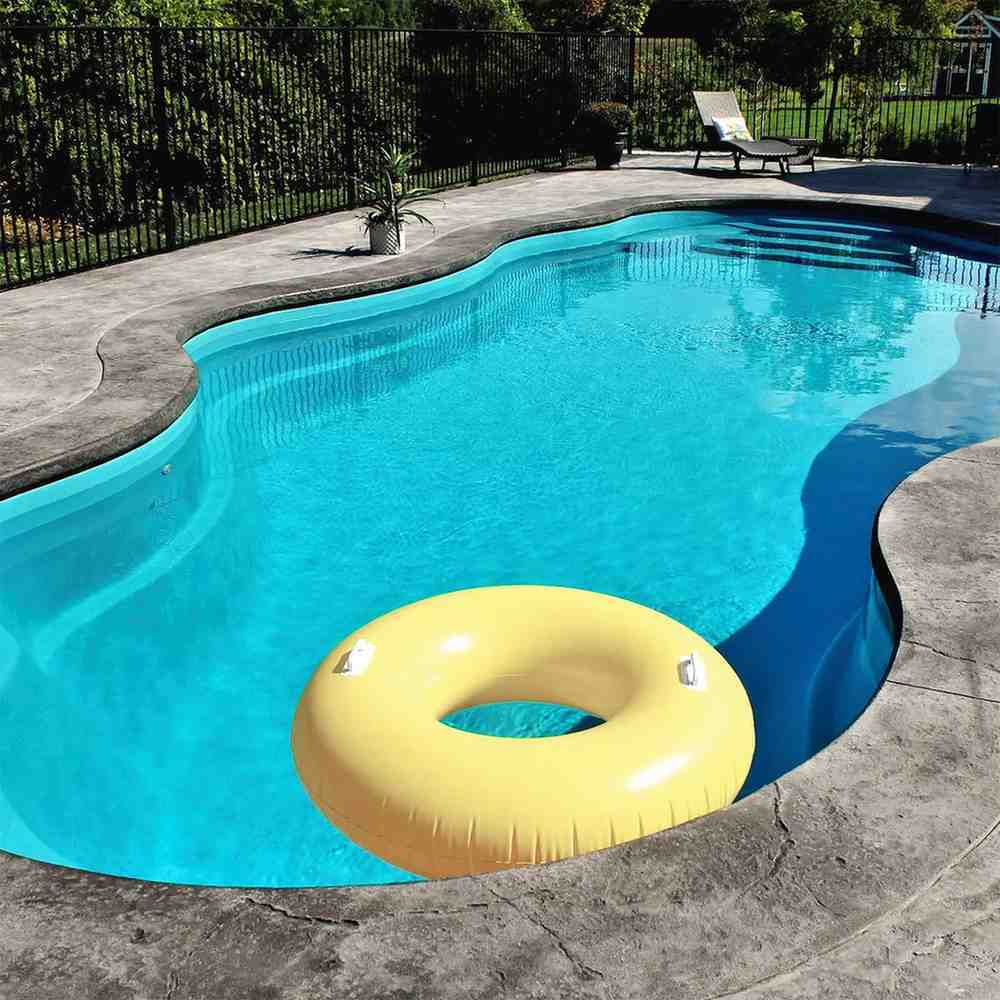
- Freeform pools: Offer multiple depth zones, great for families who want both shallow lounging and deeper swimming areas.
- Oval pools: Usually have a uniform depth, ideal for casual swimming and relaxation.
Azoria’s large fiberglass pools include a range of shapes and depth profiles of you are looking for large pools for big backyard. Whether you prefer a wide rectangular pool for fitness or a freeform layout with a family zone, each model is engineered for comfort and long-term strength.
Choosing Pool Depth for Different Users
When designing a pool for the whole family, it helps to think about how each person will use it:
- Children: 1 ft shallow area
- Adults: 4-6 ft middle section
- Experienced swimmers: 6-8 ft deep end
- Divers: Minimum 8 ft, with proper board and design
This kind of gradual depth transition gives everyone a safe and comfortable space.
Pool Maintenance and Cost Considerations
Deeper pools hold more water, which can affect costs and maintenance:
- Water volume: More depth means higher water usage and slightly more heating time.
- Cleaning: Pool cleaners and circulation systems may need extra reach.
- Safety: Extra depth requires clear markings and potentially a safety rope to separate shallow and deep zones.
Still, a deeper fiberglass pool provides more flexibility for future activities and adds value to your property.
Tips Before You Finalize Your Pool Depth
Before deciding, consider these quick tips:
- Match the pool depth to your backyard size, large backyards can easily accommodate deep-end models as they tend to be larger in dimension as well.
- Review local building codes regarding maximum depths for residential pools.
- Plan lighting and safety features early in the design phase.
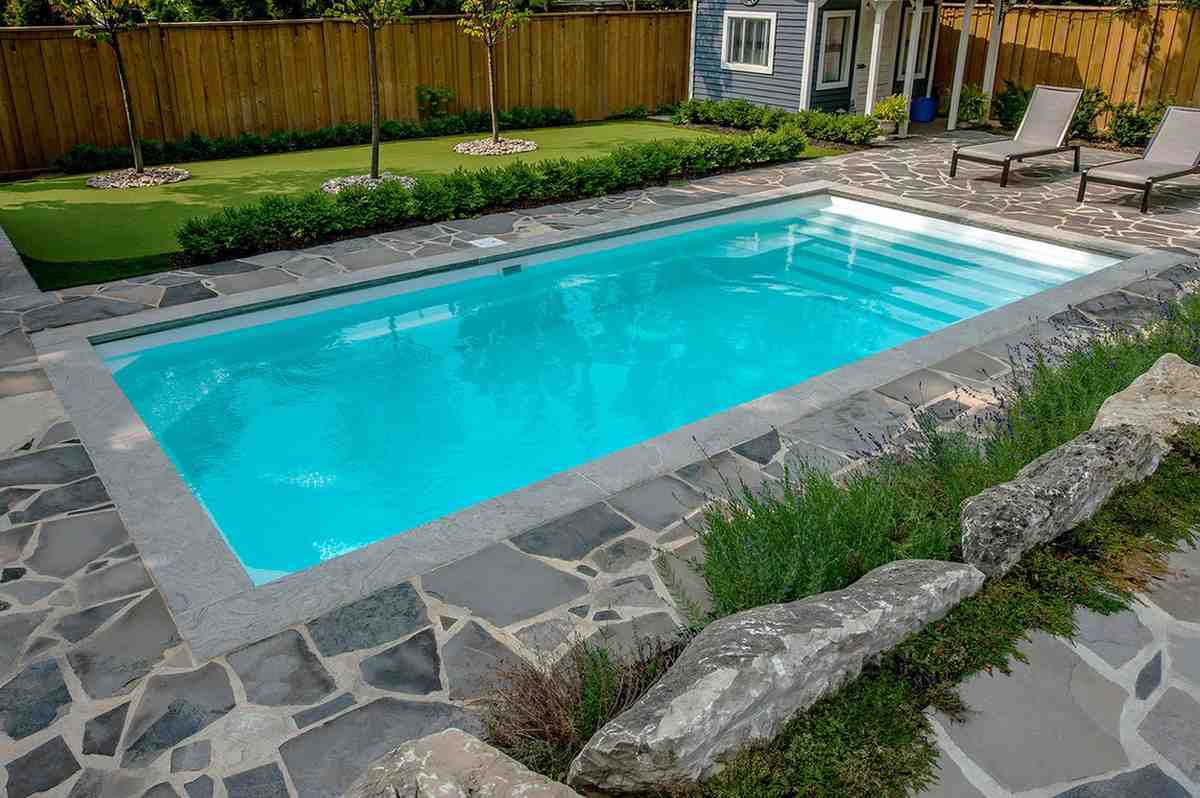
Explore Azoria Fiberglass Pools
Azoria is the largest fiberglass pool manufacturer in Canada. If you’re planning to build a new pool, explore Azoria’s Fiberglass Pool Collection, trusted across Canada for quality and design. Each pool is made using advanced Covatec Technology, ensuring exceptional strength, durability, and smooth finishes that last for decades.
Every Azoria pool comes with a 25-year Structural Warranty, giving homeowners long-term confidence in their investment. Whether you’re looking for a large inground pool with a deep end or a family-friendly small pool model with multiple depth zones, Azoria offers designs to suit every backyard and lifestyle.
Conclusion
The depth of a swimming pool should reflect your family’s lifestyle and safety needs. Whether you prefer a normal pool depth of 4.5 feet for daily relaxation or a deep end of a swimming pool for laps and diving, the right balance ensures years of enjoyment.
Explore Azoria’s collection of fiberglass inground pools to find designs with varied depths, strong structural integrity, and modern styling. Our experts can help you choose a model that fits both your space and your vision for the perfect backyard pool.
