Many homeowners ask how long does a fiberglass pool last before choosing a model for their backyard. Buyers want honest information, not exaggerated claims. Modern fiberglass pools are known for their long structural strength, steady performance, and low day to day maintenance. With proper installation and good care, the fiberglass pool lifespan can stretch for several decades, which is why many families prefer this option over concrete or vinyl.
This guide explains the real fiberglass pools life expectancy, what affects the lifespan of a fiberglass pool, how the surface ages, signs to watch for, and the steps that help the pool stay in great condition for years.
Fiberglass Pool Lifespan: What to Expect
The most common question is how long do fiberglass pools last on average. A well-made shell typically lasts anywhere from 25-50 years or even longer depending on the manufacturer and the installation. The fiberglass swimming pool lifespan is closely tied to the strength of the shell and the way the pool is placed into the ground. Unlike concrete or vinyl, fiberglass does not rely on periodic major structural repairs, so homeowners usually see a long and steady life from a quality fiberglass pool.
The fiberglass pool life expectancy also depends on soil conditions, water chemistry, and the surface finish. The shell itself is built to stay stable, while the gelcoat surface gradually shows signs of aging over a much longer timeline. Most owners enjoy decades of swimming with only minor upkeep and a resurfacing cycle later in the pool’s life.
What Affects Fiberglass Pool Life Expectancy?
Several factors influence the lifespan of a fiberglass pool. Understanding these helps homeowners get more value and avoid early repairs.
- Installation quality: A fiberglass pool needs to be installed on a stable and level base. Proper backfilling, correct plumbing pressure, and good drainage around the pool are some of the most important steps. A poorly prepared base can affect the fiberglass pool life expectancy.
- Water chemistry: Balanced water protects the gelcoat from unnecessary stress. If the water stays within recommended ranges for pH, chlorine, alkalinity, and calcium, the surface stays smooth and bright for a longer period.
- Groundwater and soil movement: High groundwater or shifting soil can put pressure on the pool. A reliable drainage plan around the pool area protects the shell and helps maintain the expected fiberglass pool lifespan.
- Sun exposure and use patterns: Direct sunlight slowly fades any outdoor surface. Consistent care, cleaning, and using proper pool products limit unnecessary wear.
- Seasonal maintenance: Cold climates require winter preparation. Covering the pool correctly and protecting the plumbing lines also supports the long term fiberglass pool life expectancy.
Fiberglass vs Concrete vs Vinyl: Lifespan Comparison
Homeowners often compare options before making a final choice. Each pool type has strengths, but their lifespans differ in important ways.
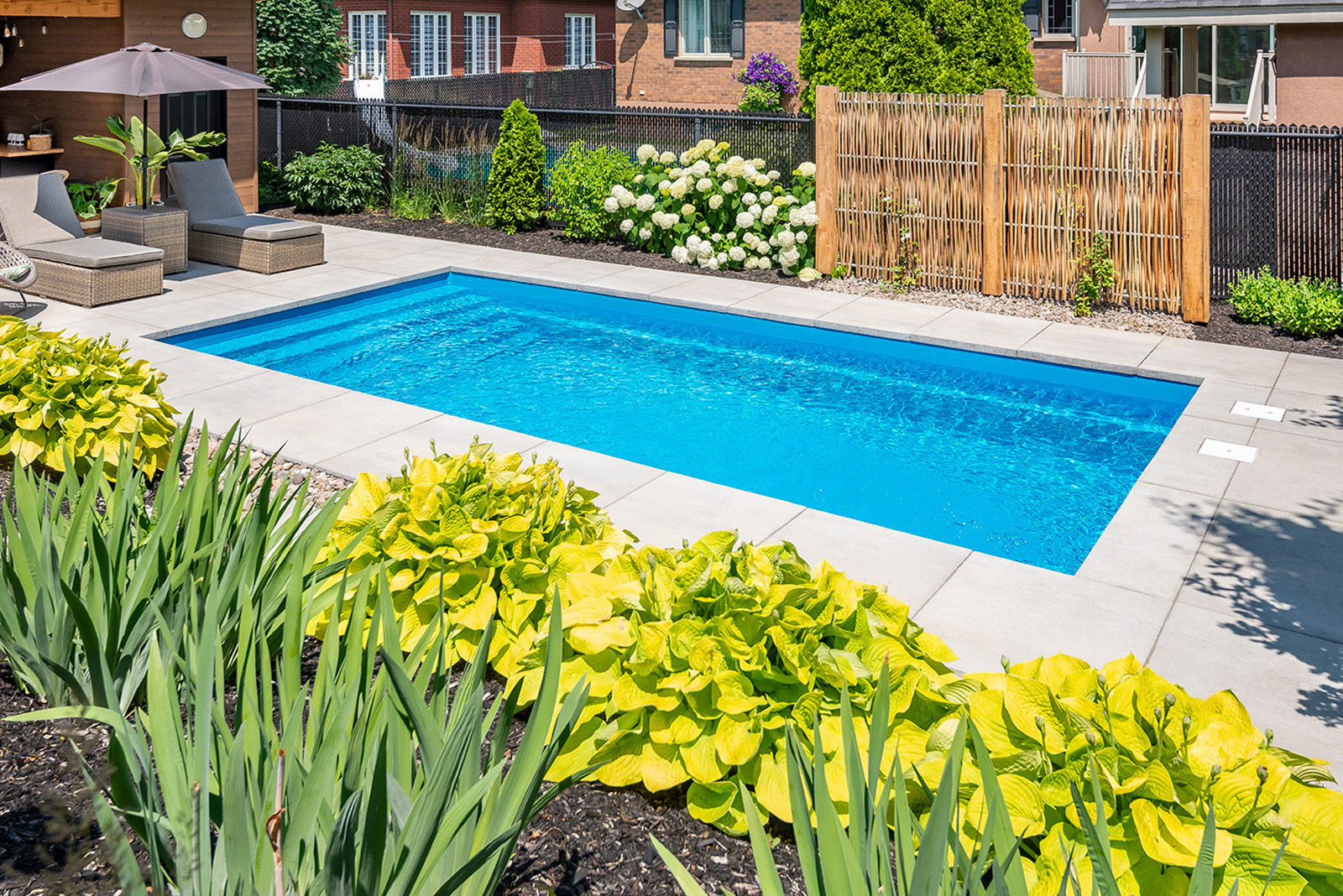
- Fiberglass Pools : A fiberglass pool shell is made to last for decades with only light surface care. The lifespan of a fiberglass pool is usually the highest among the three common options because the structure does not need major resurfacing every few years. The smooth gelcoat also helps the pool stay cleaner which reduces the burden on the filtration system.
- Concrete Pools : Concrete pools are strong, but the interior finish usually needs resurfacing every 10-15 years. This adds cost and time over the life expectancy of swimming pool. Concrete also requires more chemicals due to its porous surface.
- Vinyl Liner Pools : Vinyl pools have lower upfront costs, but the liner usually needs replacement every 7-10 years. Sharp objects or storms can damage the liner earlier than expected. This leads to more frequent expenses over the total life of the pool.
When comparing all three options, fiberglass pools consistently show better long term value and a stronger predicted lifespan.
Gelcoat and Surface Lifespan: When Pool Resurfacing is Required?
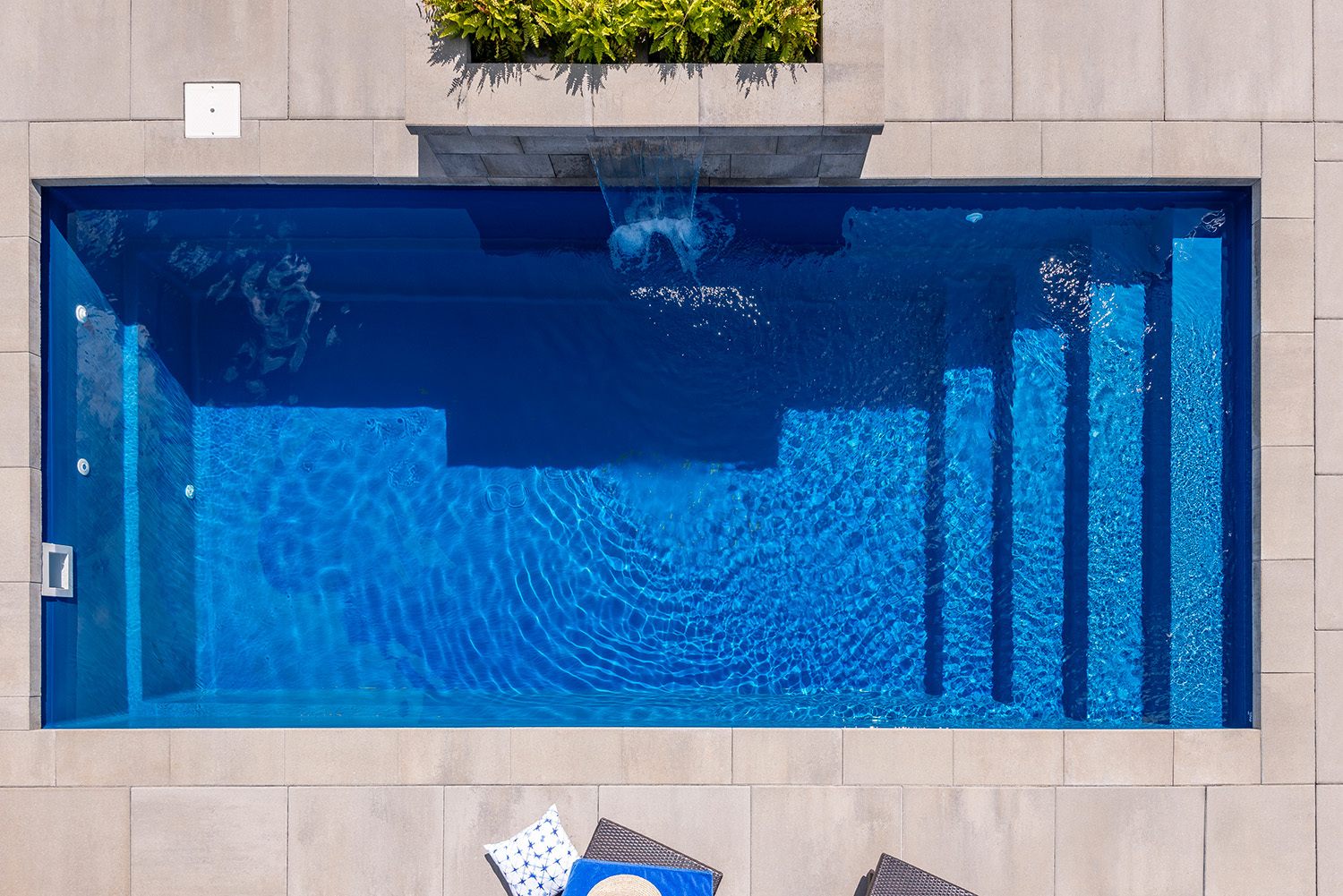
The fiberglass shell lasts for decades, but the gelcoat surface gradually ages with long term use. Most fiberglass pool surfaces last ten to twenty years before needing resurfacing. The exact timing depends on water chemistry, sunlight exposure, and overall maintenance.
Common signs of aging include light discoloration, dull patches, chalking, or isolated surface cracks. These surface changes usually do not affect the structure of the pool. In many cases, small cosmetic issues can be polished or repaired without a full resurfacing. Resurfacing becomes necessary only when the surface wear is widespread or when strong discoloration cannot be removed through normal cleaning.
Understanding the gelcoat lifespan helps homeowners plan long term care and budget for future swimming pool maintenance if needed.
Pool Maintenance Tips to Extend Lifespan
Maintenance has a direct effect on how long fiberglass pools last. A consistent routine keeps the pool stable, protects the surface, and helps the structure stay strong.
Here are simple habits that extend the fiberglass pool lifespan:
- Keep water chemistry balanced
- Brush the pool weekly to avoid buildup
- Use the right cleaning tools that protect the gelcoat
- Maintain the filtration system and backwash when required
- Keep the water level within the recommended range
- Protect the pool during winter with proper closing steps
- Manage landscaping so soil and mulch do not wash into the pool
- Inspect the shell and equipment area each season
Each task supports the fiberglass pool life expectancy and prevents small issues from turning into larger repairs.
Signs It’s Time to Repair or Resurface Your Fiberglass Pool
A fiberglass pool rarely needs structural repair, but the surface may show signs of age after many years of use. Homeowners should look for the following indicators:
- Consistent fading that does not improve after cleaning
- Blisters or bubbles forming on the gelcoat
- Rough or chalky patches
- Stubborn stains that cannot be removed
- Small cracks on the surface
- Leaks that appear around fittings or plumbing
These signs usually mean the surface needs attention. A professional evaluation can determine whether a minor repair is enough or if full resurfacing is required.
Why Choose Azoria Fiberglass Pools?
Picking a fiberglass pool is a long term decision. The lifespan of the pool depends also heavily on the quality of the shell and the standards of the manufacturer.
Azoria stands out for several reasons:
- Largest fiberglass pool manufacturer in Canada: Homeowners get access to proven engineering, consistent production, and a wide range of models that are already trusted across the country.
- Stronger shells built with CovaTec technology: The CovaTec system adds strength and stability to the pool structure. It helps the shell resist soil movement and long term wear.
- Reliable warranty coverage: Azoria pools include strong structural and surface warranties. The warranty page outlines how this support helps homeowners feel confident about the long term lifespan of a fiberglass pool from Azoria.
- Many pool shapes and sizes available: Whether you prefer a small pool, a family size pool, or a long model for swimming, Azoria offers variety of fiberglass pool shapes & sizes.
- Built for long lasting performance: With quality materials, careful engineering, and dependable support, Azoria fiberglass pools offer the strength and stability families want with very little maintenance required over the years.